
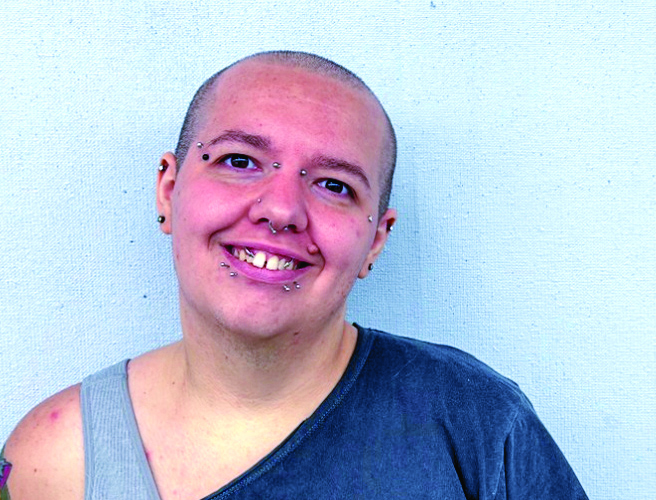
 By Sky Tucker
Recently, I’ve experienced a lot of transphobic and homophobic comments on my Instagram and Facebook accounts.
I’m no stranger to hate, but the increase has me a bit worried, especially since my Facebook page is usually inactive.
On the other hand, I’ve always been a bit hard-headed and a fighter. I typically engage with the internet trolls until they grow bored and choose to leave.
That said, these events got me thinking: What if someone chooses to take it offline and bring their hatred into the real world?
Let me make this clear: My inactive Facebook account picking up heat isn’t just “a stroke of bad luck.”
Research shows that targeted hate against LGBTQIA+ people doubled in early 2026. This rise is a part of a trend, one that has been steadily growing since the presidential inauguration on Jan. 20, 2025.
In fact, extremist channels, often known as the “manosphere” or “red pill content creators,” cater to males in their teens to mid-20s across all the main platforms.
They promote toxic masculinity, misogyny, anti-feminism, homophobia and transphobia while claiming they’re oppressed by a “gynocentric” society.
When they have enough followers, they coordinate harassment campaigns, playing on the insecurities of their audience via hateful rhetoric.
The data backs this up.
In 2025, more than 1,000 reports of anti-LGBTQIA+ hate crimes were made across 47 states, a 5 percent increase from 2024. That includes 128 acts of vandalism, 76 assaults, 22 threats of mass violence and 15 arson attempts.
While we won’t know the official number of incidents for this year until next fall, the warning signs are already here. As of May 2026, the ACLU reported that 525 anti-LGBTQIA+ bills were introduced in U.S. legislatures alone.
At the same time, GLAAD, formerly the Gay & Lesbian Alliance Against Defamation, reported that the Social Media Safety Index for major platforms like Meta (Facebook, Instagram and Threads), X (formerly Twitter) and YouTube have reached record lows due to the removal of protections for gender identity.
By removing these protections, the companies are actively allowing harassment to flourish unchecked.
If people aren’t hurting others, they shouldn’t have to fear for their safety.
Unfortunately, that’s not our reality, which is why we must remain vocal. We have to continue spreading awareness and refuse the removal of queer representation in media. After all, lives depend on it.
Let me reiterate: Living authentically should not be a death sentence!