
The Scene staff
It’s easy to feel overwhelmed by everything happening in the world.
Prices continue to rise while wages remain stagnant. People are losing jobs, struggling to make ends meet and watching their savings disappear. The education system faces serious problems, from underfunded schools to hostile policy changes and unexpected raids that leave teachers, students and families anxious.
At the same time, there’s a troubling rise in reports of people being arrested without due process by masked ICE agents. These stories are disturbing enough, but what makes them worse is that some people are impersonating ICE officers to commit serious crimes, targeting already vulnerable communities.
Then there are the tragedies of those like Javion Magee. Over the past two years, a few people, including Magee, have been found hanged in public places. Authorities have ruled these cases as suicides, but many community members doubt that, pointing out patterns related to victims’ races, the heights where the bodies were found and testimonies from loved ones saying there were no warning signs. For many, these incidents resemble lynchings and cover-ups.
This is just part of the ongoing wave of disturbing news: Violence against those who are (or are perceived to be) queer is rising, protections are being cut and LGBTQIA+ communities face more threats with fewer resources for support; basic disaster safety systems are failing, as seen in the recent incident here in St. Louis, where the tornado sirens didn’t sound, risking lives; and, until recently, the crisis in Gaza was worsening with civilians facing daily bombings, blockades and political deadlock.
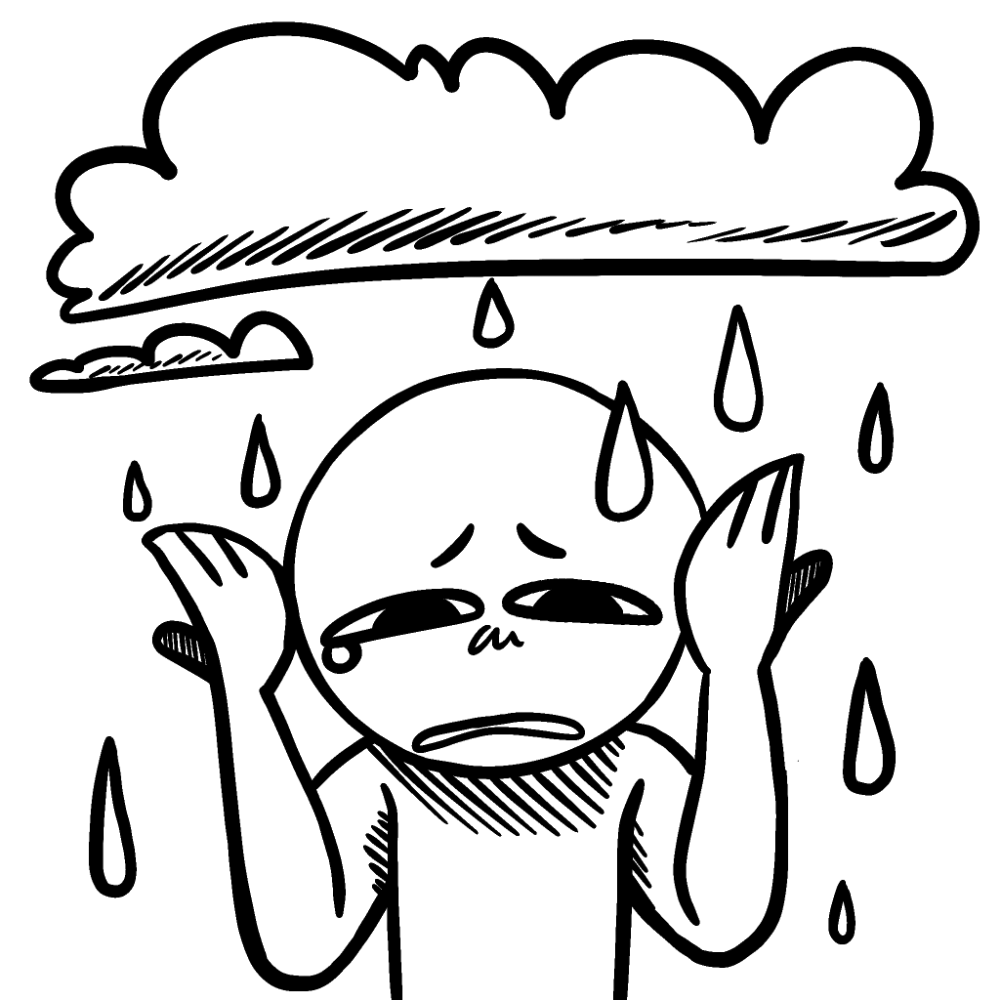
These issues are enormous, yet each of us has our own personal struggles. Many are coping with grief, financial difficulties, illness, loneliness and burnout. For many, it’s not just one problem but a constant pileup of stress that never seems to end.
Adding to this burden is how we consume information. We scroll endlessly, talking in updates on conflict, violence, injustice and disaster with hardly a break. Our brains aren’t built to handle so much at once. Studies from Harvard and other institutions show that this digital overload can lead to mental fatigue, increased anxiety and a deep feeling of helplessness. Constant exposure to crisis often leaves people feeling frozen. They are aware of the issues, but unsure of where to begin or how to assist.
So, how do we cope? How do we create space to care for ourselves without ignoring what’s happening in the world?
One grounding method I’ve found is returning to basics. I start by getting up, taking care of my hygiene and packing a small lunch with flavored water and a book. Then I go outside. I turn off my phone, find a quiet spot in the shade and give myself permission just to read, breathe and exist for a while.
A n o t h e r helpful practice is spending time with my husband. We take short walks, shuffle a playlist and then return home to sit together, cuddle our cats and enjoy each other’s company without the distraction of screens, creating a safe space despite the world feeling chaotic.
Others cope in different ways. Some seek therapy when they can access it. Others find comfort in activities like gardening, cooking, painting or volunteering. Hell, one person I know (and admire) takes direct action, organizing and focusing their energy into causes they align with. So, while there’s no “one-size-fits-all” answer, there’s a way to step back and remember that taking a break isn’t the same as giving up. Nor is it a sign of weakness.
The world might not get easier tomorrow. Even so, that doesn’t mean we stop looking for light. We can still find moments, no matter how small, that remind us why we are living and what we’re trying to protect.